
- Home
- Projects
- Office & Commercial
- Retail
- Community & Recreation
- Residential
- Green Hammer Design Build
- Alexander Symes Architect
- CplusC Architects + Builders
- Studio Puisto
- MSSA
- Hydrowood
- Tziallas Architects
- Australian Sustainable Hardwoods (ASH)
- Plontur
- Low Impact
- GreenA Consultants
- T3 Architects
- Kragelj Arhitekti
- Green Moves Australia
- Ecolution Consulting
- John Wardle Architects
- Anderson Architecture
- Public
- Education
- Hotel
- Industrial
- Transport & Infrastructure
- Office & Commercial
- News
- Contact
You have no items in your shopping cart.
Enclosure

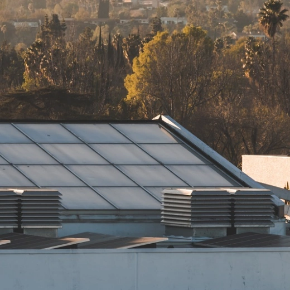
In the enclosure category, various essential elements play a vital role in boosting building durability and performance. Tanking and damp-proofing solutions safeguard structures from moisture ingress, ensuring long-term durability. Roofing options provide essential protection against the elements, contributing to the building's overall resilience as well as cladding enhances both the aesthetics and insulation of buildings, adding an extra layer of protection. Doors and windows offer security, functionality, and design flexibility, while glass products provide clarity and strength. Insulation solutions improve energy efficiency and indoor comfort.



Featured products

Insulation
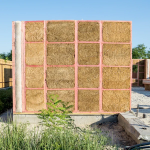
Sustainable and eco-friendly building materials for insulation, like straw panels and wool, are increasingly favoured for their green attributes. Straw panels offer excellent insulation properties while being renewable, contributing to energy-efficient and sustainable construction. Wool insulation, derived from sheep's fleece, is both biodegradable and thermally efficient, making it a valuable choice for environmentally responsible building practices.
Request A Quote

Cladding
Sustainable and eco-friendly building materials for cladding, including curtain walls, flat sheets, and panels, are essential for environmentally responsible construction. By using low-impact materials like thermally broken aluminum, recycled metals, and reclaimed wood, architects and builders can reduce the ecological footprint of their projects while maintaining aesthetics and durability.
Request A Quote

Windows and Doors
Designing sustainable windows and doors involves using eco-friendly materials, maximizing energy efficiency and durability, considering end-of-life options, and evaluating environmental impact. Incorporating passive strategies and seeking certifications enhance sustainability.
Request A Quote

Glass
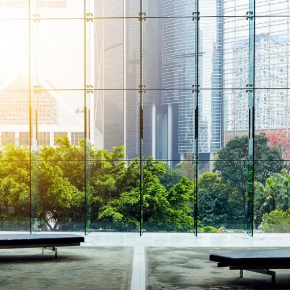
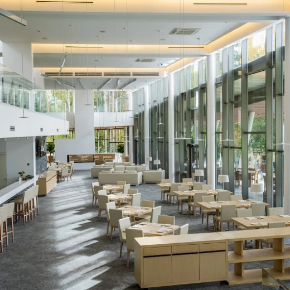
Glass can be sustainable by prioritizing recycling efforts to reduce the need for raw materials and energy consumption. Implementing energy-efficient manufacturing processes and utilizing renewable energy sources further minimize its environmental impact. Additionally, designing glass products for durability, optimizing transportation, and promoting responsible disposal practices contribute to overall sustainability efforts.
Request A Quote
